

In recent years, more patients have been looking for facial rejuvenation options that deliver visible improvement without dramatically changing their appearance. Today’s priority is clear: natural results, subtle enhancement, and shorter recovery times. In this context, the mini face lift has become one of the most refined and effective surgical solutions for patients who are beginning to notice facial aging but are not ready for a full facelift.
As a board-certified plastic surgeon, I have seen how facial aging often starts quietly—loss of definition along the jawline, early jowls, or mild laxity in the lower face and neck. A mini face lift allows me to address these changes in a precise and conservative way, restoring balance and freshness while preserving what matters most: your facial identity.
My name is Dr. David Delgado, and for years my practice has been deeply focused on facial rejuvenation surgery. Throughout my career, I have refined minimally invasive techniques that respect facial anatomy, aging patterns, and individual expression. My philosophy is simple but essential: rejuvenation should never erase who you are. Instead, it should help you look like a more rested, harmonious, and confident version of yourself.
In this blog, I will explain in detail what a mini face lift truly involves, who is an ideal candidate, how it differs from other facial procedures, and what you can realistically expect in terms of results and recovery. My goal is to provide clear, medically accurate, and transparent information so you can make an informed decision guided by experience, not trends or exaggerated promises.
What Is a Mini Face Lift? A Precise Surgical Approach to Early Facial Aging
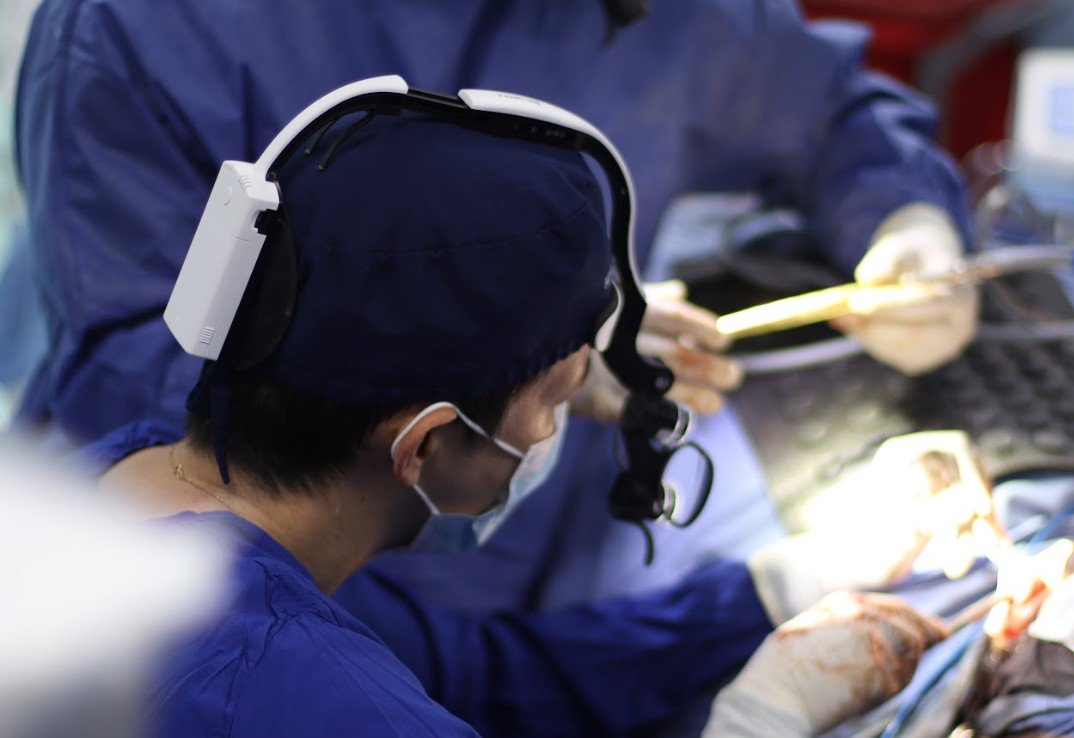
From a surgical standpoint, a mini face lift is a targeted facial rejuvenation procedure designed to correct the earliest structural changes of facial aging. Unlike treatments that focus only on improving skin quality, this surgery addresses the underlying descent of facial tissues that occurs as collagen, elastin, and ligamentous support gradually weaken over time.
Facial aging does not happen uniformly. In many patients, the first visible changes appear in the lower third of the face: a loss of jawline definition, the development of early jowls, and subtle laxity along the neck. A mini face lift is specifically designed to treat these areas without altering the central or upper face, making it an ideal option for patients who do not yet require a full facelift.
How a Mini Face Lift Works at a Structural Level
During a mini face lift, I work beneath the skin to reposition and secure the deeper facial tissues rather than simply tightening the skin itself. This distinction is critical. Skin-only tightening is what often leads to an unnatural or “over-pulled” appearance. By addressing the structural layers of the face, the skin can re-drape naturally, preserving facial movement and expression.
The surgical focus is placed on:
- The lower face, where tissue descent contributes to a heavier appearance.
- The jawline, restoring a cleaner and more youthful contour.
- Areas of early neck laxity, when the skin still has enough elasticity to respond favorably to a limited surgical lift.
This precise approach allows for meaningful improvement while maintaining balance and facial identity.
Mini Face Lift vs. Full Facelift: Understanding the Difference
One of the most common misconceptions I encounter is the idea that a mini face lift is simply a “lighter” version of a traditional facelift. In reality, these are two distinct procedures with different indications.
A full facelift is intended for patients with advanced facial aging, significant skin excess, and deeper structural laxity involving the midface and neck. It requires more extensive surgical dissection and a longer recovery period.
A mini face lift, on the other hand, is appropriate when aging changes are still localized and moderate. Because the intervention is limited to specific areas, the procedure involves:
- Smaller incisions.
- Less tissue disruption.
- Reduced operative time.
- Faster recovery, without compromising surgical effectiveness.
The goal is not to do less surgery, but to do the right amount of surgery based on the patient’s anatomy and stage of aging.
Why a Mini Face Lift Delivers Natural-Looking Results
Natural results are not accidental, they are the product of correct diagnosis, refined technique, and surgical restraint. In my practice, the success of a mini face lift is measured by how undetectable the surgery appears. Patients should look refreshed and defined, not surgically altered.
By avoiding excessive tension and respecting natural facial vectors, the procedure enhances definition rather than creating tightness. This is particularly important in dynamic areas such as the jawline and lower face, where overcorrection can be immediately noticeable.
A Minimally Invasive Surgical Procedure—Not a Non-Surgical Treatment
It is essential to clarify that a mini face lift is considered minimally invasive because of its limited scope, not because it is non-surgical. While non-surgical treatments can improve skin texture or provide temporary contouring, they cannot reposition descended tissues or correct true structural aging.
Surgery remains the most effective way to achieve durable improvement in the lower face and jawline. A mini face lift offers this benefit with less trauma and downtime, making it an excellent option for carefully selected patients who seek real change without undergoing a full facelift.
Mini Face Lift Neck: Treating the Lower Face and Neck Together
One of the most important concepts I explain during consultation is that the jawline and the neck do not age independently. From an anatomical perspective, they function as a single aesthetic unit. When support structures weaken, the first visible changes often appear precisely at the transition between the lower face and the neck. This is why a well-planned mini face lift neck approach can deliver highly natural and harmonious results when performed on the right candidate.
As facial tissues descend, the jawline begins to lose definition and the cervicomental angle—the angle formed between the chin and the neck—becomes softer. In its early stages, this process does not necessarily require a full neck lift. A mini face lift can effectively address mild neck laxity by repositioning the tissues of the lower face, allowing the skin of the neck to tighten naturally as it re-drapes.
How a Mini Face Lift Improves Early Neck Aging
In carefully selected patients, a mini face lift neck approach can:
- Improve mild skin laxity in the upper neck.
- Restore a more defined cervicomental angle.
- Create a smoother transition between the jawline and the neck without visible tension.
The key factor is skin quality. When the skin still has adequate elasticity, lifting the lower face often produces a secondary tightening effect in the neck. This allows for visible improvement without additional incisions or aggressive dissection.

When a Mini Face Lift Is Enough—and When It Is Not
Neck improvement is achievable with a mini face lift when laxity is mild and localized, and when excess skin is minimal. However, if the neck shows significant sagging, pronounced muscle banding, or extensive skin excess, additional procedures may be required to achieve a balanced result.
In these cases, I may recommend complementary technologies such as FaceTite or Morpheus8 to enhance skin tightening, or a more comprehensive surgical approach when necessary. The goal is never to under-treat or over-treat, but to apply the correct solution for each anatomical presentation.
My Diagnostic Philosophy: Precision Over Assumptions
One of the most common mistakes in facial rejuvenation is assuming that more surgery automatically means better results. My diagnostic approach is based on detailed evaluation of facial anatomy, skin behavior, and aging patterns. By doing so, I can determine whether a mini face lift neck strategy will deliver a natural improvement or whether additional techniques are truly justified. This precision is what protects patients from unnatural outcomes and unnecessary procedures.
Who Is an Ideal Candidate for a Mini Face Lift?
A mini face lift is not defined by age alone, but by anatomy, skin quality, and the stage of facial aging. Selecting the right candidate is essential to achieving refined, natural-looking results. In my practice, candidacy is determined through a careful and individualized evaluation rather than generalized criteria.
| Evaluation Area | Clinical Explanation |
|---|---|
| Age Range and Skin Quality | Most candidates for a mini face lift are typically in their 30s to mid-50s. However, chronological age alone is not the determining factor. What truly matters is biological aging. Patients with good skin elasticity and preserved collagen tend to respond best, as their skin can adapt naturally once deeper tissues are repositioned. When skin quality is favorable, results appear smoother, more balanced, and longer-lasting—without the need for aggressive surgical intervention. |
| Early to Moderate Signs of Facial Aging | This procedure is especially effective for patients who present mild to moderate jowls, loss of jawline definition, and early sagging in the lower face without significant excess skin. In these cases, a mini face lift can restore structure and contour before aging becomes more advanced, often delaying—or even eliminating—the need for a full facelift in the future. |
| Patients Seeking Subtle, Natural Rejuvenation | Many patients are not seeking dramatic change. Instead, they want to look refreshed, rested, and more defined—without obvious signs of surgery. A mini face lift is ideal for individuals who desire visible improvement but are not ready for a full facelift or a longer recovery. This procedure focuses on refinement, not reinvention, preserving facial identity while enhancing harmony. |
Mini Face Lift for Men: Preserving Masculine Features
In recent years, I have seen a growing number of male patients seeking facial rejuvenation, and the mini face lift men approach has become an increasingly valuable option. However, facial surgery in men requires a distinctly different mindset and technical execution.
Male facial anatomy is characterized by stronger bone structure, thicker skin, and sharper angles—particularly along the jawline. Preserving these masculine features is critical. Overcorrection or excessive lifting can soften contours and create an unnatural or feminized appearance, which is precisely what male patients want to avoid.
A Masculine-Centered Surgical Approach
When performing a mini face lift in men, my focus is on:
- Maintaining a strong, defined jawline.
- Enhancing contour without altering facial character.
- Avoiding excessive tension or over-lifting.
This requires a conservative, anatomy-driven technique and a clear understanding of male aging patterns.
Experience, Discretion, and Recovery
My experience with male facial rejuvenation allows me to tailor incision placement for discretion, often concealing them within natural skin folds or hair-bearing areas. Additionally, the limited nature of the mini face lift supports a faster recovery, which is especially important for men with demanding professional and social schedules.
The objective is always the same: subtle, confident improvement that looks natural and aligns with a masculine aesthetic—never something that draws attention to the surgery itself.
Mini Face Lift Jowls: Redefining the Jawline
One of the earliest—and most frustrating—signs of facial aging is the appearance of jowls. Many patients tell me that, even when they feel healthy and energetic, their jawline begins to look heavier or less defined, giving the face a tired or aged appearance. This occurs long before severe skin laxity develops and is often the first reason patients seek consultation for a mini face lift jowls correction.
Jowls form as the deeper facial tissues gradually descend due to weakening ligaments and loss of structural support. Contrary to popular belief, this is not simply a skin problem. Tightening the skin alone cannot correct the true cause of jowls and often leads to short-lived or unnatural results.
How a Mini Face Lift Corrects Jowls at a Structural Level
A mini face lift addresses jowls by repositioning the underlying tissues rather than pulling the skin. During surgery, I elevate and secure the descended structures along the jawline, restoring their original position.
This approach allows for:
- True tissue elevation, not surface tightening.
- Restoration of a cleaner, sharper jawline contour.
- Natural transitions between the lower face and neck.
Mini Face Lift vs. Fillers and Non-Surgical Options
Injectable fillers and non-surgical treatments can temporarily camouflage jowls by adding volume around them. However, they do not reposition tissue and often contribute to facial heaviness over time. In contrast, a mini face lift jowls approach corrects the anatomical cause of the problem, offering a longer-lasting and structurally sound solution.
While non-surgical treatments may be appropriate for very early changes or maintenance, surgery remains the most effective option when jowls are caused by tissue descent rather than volume loss.
Advanced Technologies That Enhance Mini Face Lift Results
In modern facial rejuvenation, surgery and technology are no longer opposing approaches—they are complementary tools. In my practice, I frequently combine a mini face lift with advanced energy-based technologies to refine results and improve skin quality without increasing surgical aggressiveness.
FaceTite: Internal Radiofrequency Skin Tightening
FaceTite uses bipolar radiofrequency energy delivered beneath the skin in a controlled and monitored manner. This energy gently heats the tissues, promoting contraction and stimulating collagen production from within.
When combined with a mini face lift, FaceTite enhances:
- Jawline definition.
- Early neck tightening.
- Skin retraction in areas prone to laxity.
FaceTite does not replace surgery, but it strengthens its effect—particularly in patients with early neck changes or reduced skin firmness.
Morpheus8: Deep Skin Remodeling
Morpheus8 combines microneedling with fractionated radiofrequency energy to treat deeper layers of the skin. This technology improves:
- Skin texture.
- Firmness.
- Long-term collagen stimulation.
I often use Morpheus8 as a complement to a mini face lift or as part of the postoperative maintenance plan, especially for patients who want to enhance skin quality beyond what surgery alone can achieve.
Why Combining Surgery and Technology Creates More Durable Results
My philosophy is clear: technology should enhance surgery, not replace it. When used strategically, these tools allow me to achieve more refined and longer-lasting outcomes while maintaining a conservative surgical approach. The goal is balanced addressing both structure and skin quality for comprehensive rejuvenation.
The Mini Face Lift Procedure: Step by Step
Understanding how a mini face lift is performed helps patients feel informed and confident about their decision. This is a carefully planned surgical procedure designed to maximize safety and precision.
| Procedure Aspect | Clinical Explanation |
|---|---|
| Surgical Time and Anesthesia | A mini face lift typically lasts between two and three hours, depending on whether it is combined with complementary technologies such as FaceTite or Morpheus8. The procedure is most commonly performed under local anesthesia with sedation, although general anesthesia may be recommended based on individual needs and surgical planning to ensure comfort and safety. |
| Incisions and Surgical Technique | Incisions are strategically placed within natural skin creases around the ears and, when necessary, near the hairline to maintain discretion. Through these access points, I reposition the deeper tissues responsible for facial sagging, prioritizing structural support rather than skin-only tightening. This technique is essential for achieving natural, long-lasting results without excessive tension. |
| Outpatient Surgery and Safety Standards | Most mini face lift procedures are performed on an outpatient basis, allowing patients to return home the same day. All surgeries take place in accredited operating rooms that follow strict safety protocols, with continuous patient monitoring and experienced anesthesia teams. Patient safety is the foundation of every surgical decision I make. |
Mini Face Lift Recovery: What to Expect
Recovery is one of the most attractive aspects of the mini face lift recovery process, especially when compared to more extensive facial surgeries.
In the immediate postoperative phase, mild to moderate swelling and bruising are expected. These effects gradually subside over the first several days. Most patients can return to work and social activities within 7 to 10 days, depending on individual healing response and adherence to postoperative care instructions.
Follow-up visits are a critical part of recovery. I maintain structured postoperative monitoring to ensure proper healing, address concerns early, and guide patients through each stage of recovery with clarity and reassurance.
Will There Be Visible Scars After a Mini Face Lift?
Scarring is a natural concern for anyone considering facial surgery. During a mini face lift, incisions are carefully placed around the ears and within the hairline to remain discreet and well-hidden.
As healing progresses, scars undergo a maturation process, gradually softening and blending with surrounding skin. I use refined suturing techniques and provide detailed postoperative instructions to optimize scar quality.
Patients also play an important role in scar care by following guidance on wound care, sun protection, and follow-up visits. When managed properly, scars from a mini face lift are typically subtle and difficult to detect.
Why Choose Dr. David Delgado as Your Mini Facelift Surgeon
Choosing a mini facelift surgeon is ultimately about trust, experience, and judgment. As a board-certified plastic surgeon trained under rigorous academic and clinical standards, my practice is built on precision, safety, and ethical decision-making. I have developed a specialized focus on facial rejuvenation, refining techniques that prioritize natural movement, balanced contours, and long-term facial harmony rather than exaggerated or “operated” results.
Every mini face lift I perform is planned individually, based on a detailed anatomical assessment and a clear understanding of each patient’s expectations, ensuring that the proposed surgery is truly appropriate, not excessive, and never unnecessary. My philosophy is simple and consistent: facial rejuvenation should look natural, refined, and authentic—never surgical.

Frequently Asked Questions About Mini Face Lift Surgery
How do I know if a mini face lift is right for me?
A mini face lift is most appropriate for patients who are experiencing early to moderate signs of facial aging, particularly in the lower face and jawline, while still maintaining good skin elasticity. During consultation, I evaluate facial structure, skin quality, and aging patterns to determine whether a targeted procedure will deliver natural and balanced results, or if a different approach would be more appropriate.
What is the main difference between a mini face lift and a full facelift?
The difference lies in scope and indication. A mini face lift focuses on the lower face, jawline, and early neck laxity, using smaller incisions and less tissue manipulation. A full facelift is designed for more advanced aging and involves broader correction. The goal is not to choose the smaller procedure by default, but the one that best matches your anatomy and stage of aging.
Can a mini face lift improve neck laxity?
Yes, in patients with mild neck laxity, a mini face lift can significantly improve neck appearance by restoring support in the lower face and jawline. When skin elasticity is still adequate, this repositioning often enhances the cervicomental angle naturally. More advanced neck aging may require additional procedures or technologies for optimal balance.
How long do the results of a mini face lift last?
Results from a mini face lift are long-lasting, especially when the procedure is performed at the appropriate stage of aging. While it does not stop the natural aging process, it effectively repositions tissues to a more youthful state, often maintaining improvement for several years. Healthy lifestyle habits and proper skin care can further support longevity.
Does a mini face lift a good option for men?
Absolutely. When performed with a masculine-focused approach, a mini face lift is an excellent option for men who want to restore jawline definition without altering facial character. Careful technique is essential to preserve strong angles and avoid overcorrection, which is why surgeon experience is particularly important in male facial rejuvenation.
How does a mini face lift compare to fillers or non-surgical treatments?
Fillers and non-surgical treatments can improve skin quality or temporarily camouflage aging changes, but they cannot reposition descended tissues. A mini face lift corrects the structural cause of jowls and jawline blurring, offering a more durable and anatomically sound solution when tissue descent is present.
What is the recovery time after a mini face lift?
Most patients experience a recovery period of approximately 7 to 10 days. Swelling and bruising are expected initially but improve steadily. Many patients return to work and social activities within this timeframe, following postoperative guidelines and attending scheduled follow-up visits.
Will I have visible scars after surgery?
Incisions for a mini face lift are placed in discreet areas around the ears and along natural skin folds. Over time, scars mature and become increasingly subtle. With proper surgical technique and postoperative care, scars are typically difficult to detect once healing is complete.
Can a mini face lift be combined with other treatments?
Yes. In many cases, combining a mini face lift with technologies such as FaceTite or Morpheus8 enhances skin tightening and texture without increasing surgical aggressiveness. These combinations are carefully planned based on individual anatomy and goals.
Why is surgeon selection so important for a mini face lift?
Facial surgery requires precise judgment and a deep understanding of anatomy. An experienced mini facelift surgeon knows when a limited procedure will deliver natural results and when it may fall short. Proper diagnosis, refined technique, and ethical decision-making are essential to achieving outcomes that look refreshed rather than operated.